ROMAN SPRING
Thousands of coins for Coventina
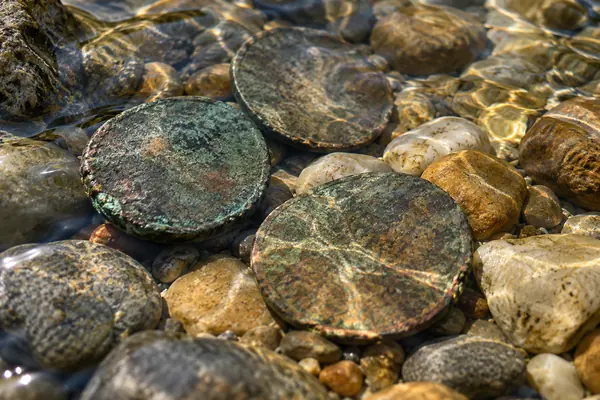
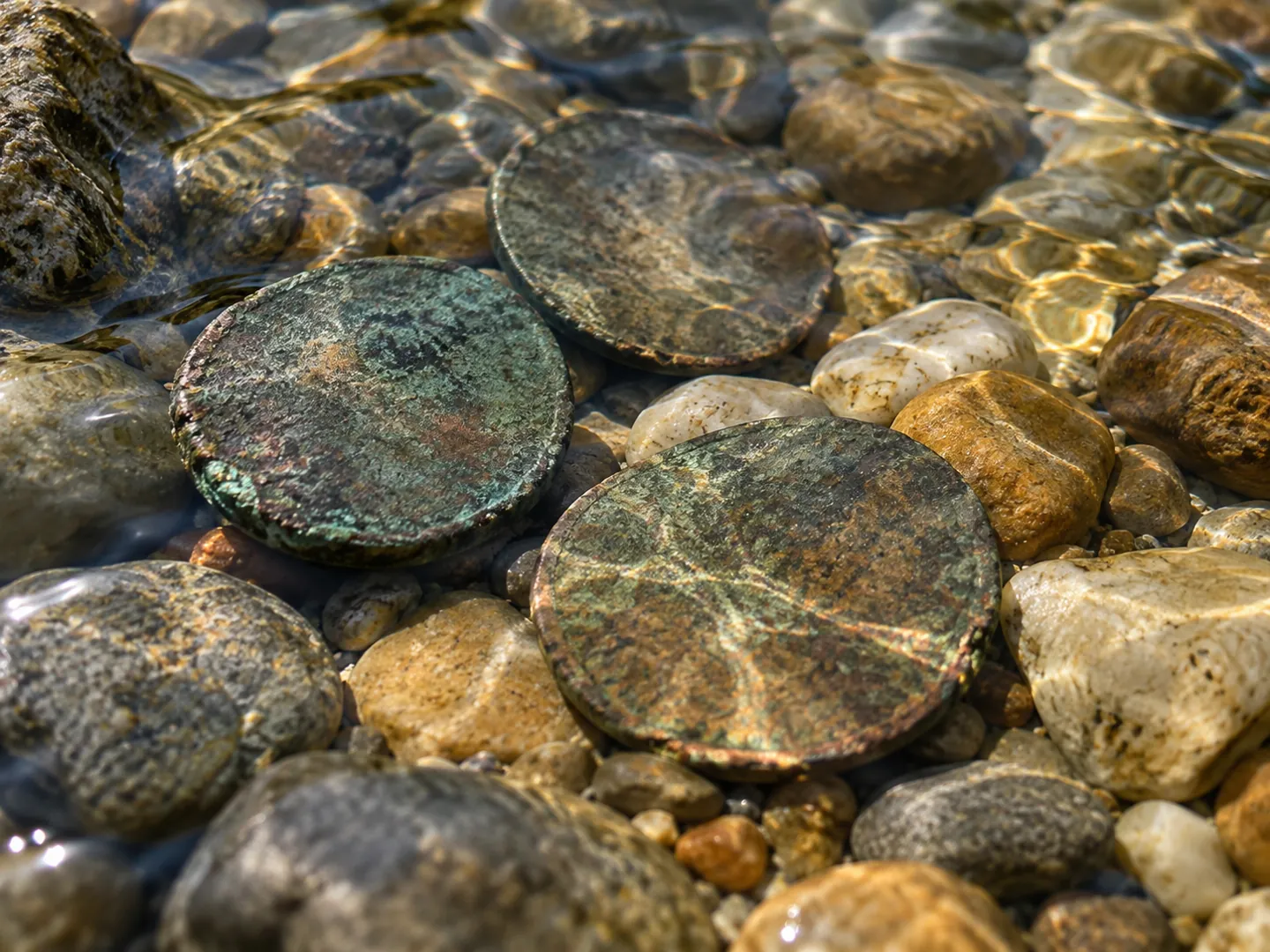
English Heritage says excavations at Coventina's well, near Carrawburgh on Hadrian's Wall, uncovered around 16,000 coins in 1876, with altars and sculpture.
See the numbers doodlewishes
00WISHES AT THE WATER
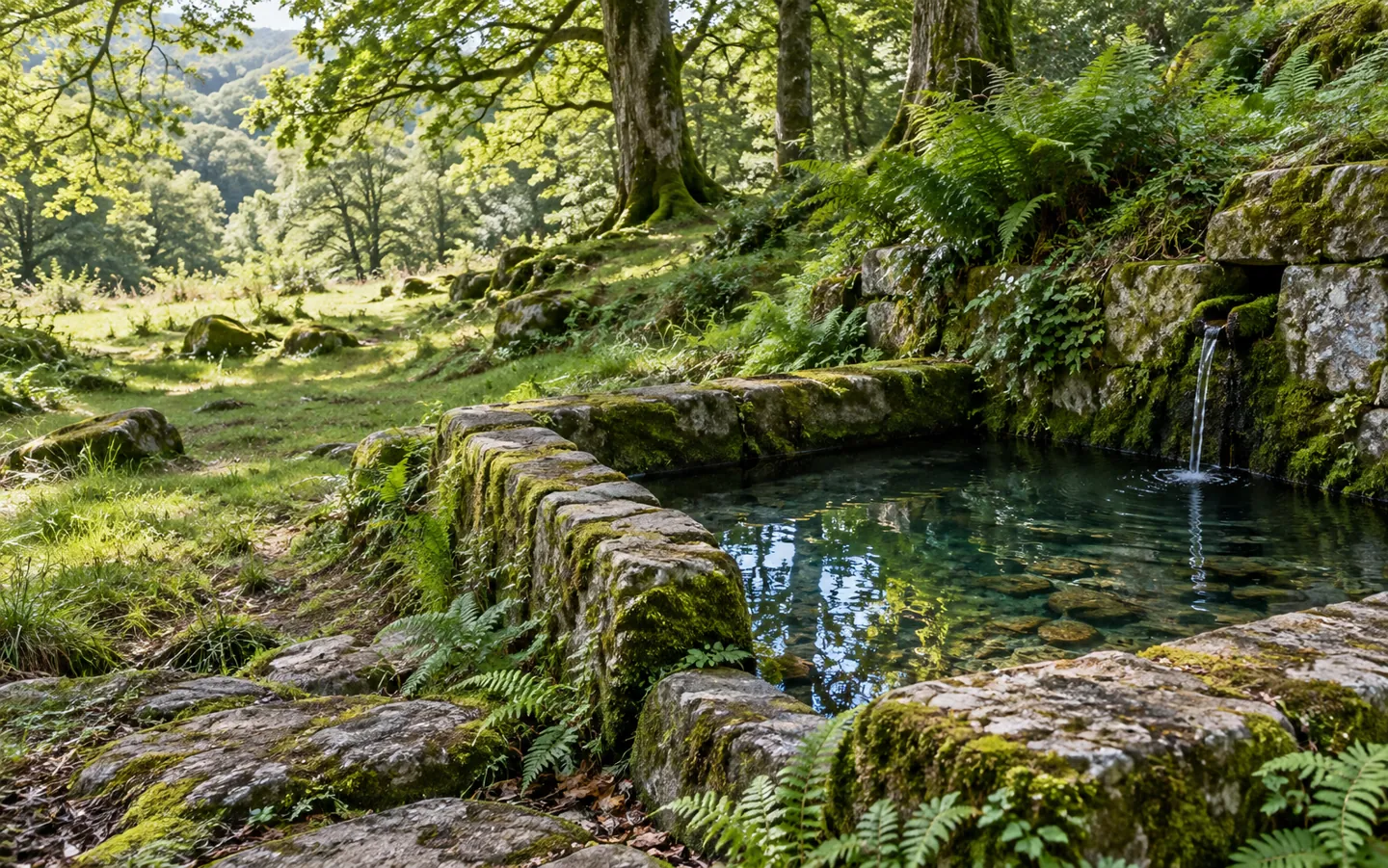
Long before fountains had coins in them, wells and springs did.
On Hadrian's Wall, soldiers and locals left thousands of coins, altars and trinkets at a spring sacred to a water goddess. In the Highlands, people still tie strips of cloth to the trees beside a well. Here is what was left, and what the places ask of visitors now.
See what was left01Principles
02THE SHORT ANSWER
In Roman Britain, offerings went into the spring.
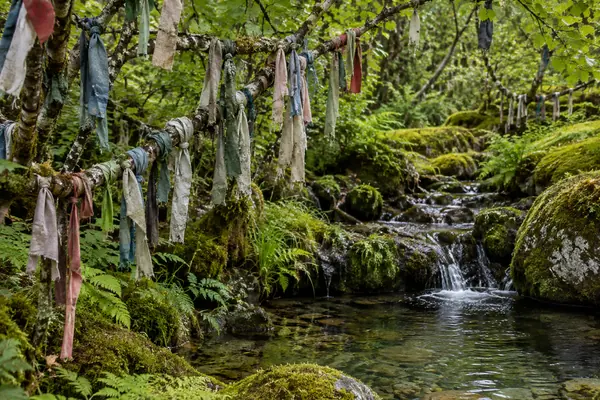
At a clootie well, they hang on the trees.
ROMAN SPRING
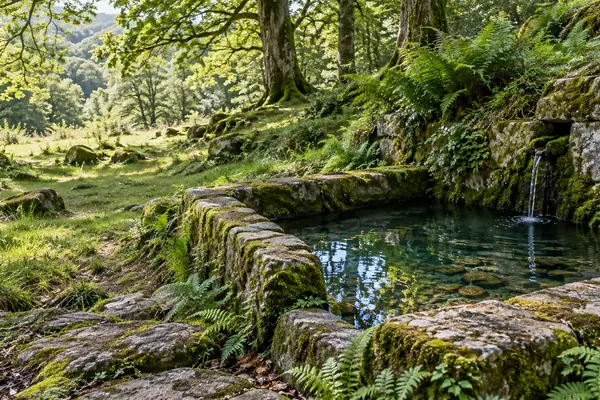
English Heritage says excavations at Coventina's well, near Carrawburgh on Hadrian's Wall, uncovered around 16,000 coins in 1876, with altars and sculpture.
See the numbersCLOOTIE WELL
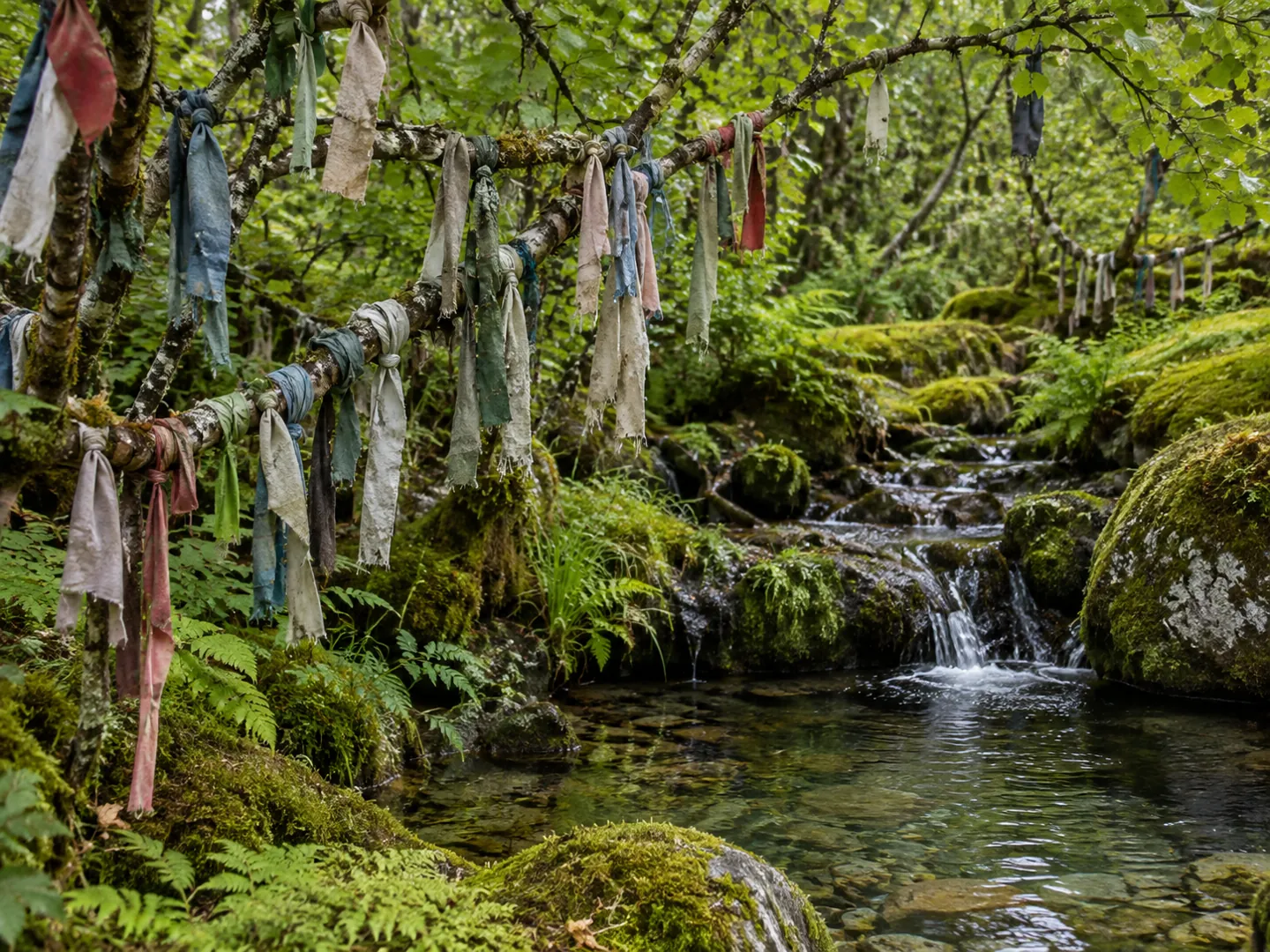
At Munlochy on the Black Isle, a cloot is a rag dipped in the well and tied to a tree. Tradition says an ailment fades as the rag disintegrates.
Visiting todayTHE PLACE
Coventina's shrine had a stone wall enclosing a space about 12 metres square, around a central basin formed around a spring.
See what was left03WHAT WAS LEFT
Choose something people left at a well to see where it was found and how long it lasted. The bar shows how long that kind of offering has survived, from the records below.
Based on English Heritage, the Northumberland and Durham historic environment record and Forestry and Land Scotland.
04TWO NUMBERS WORTH KNOWING
How many coins came out of Coventina's well,
and how small the basin that held them was.
≈ 16,000 coins
Coins found in Coventina's well in 1876
English Heritage says the 1876 excavations uncovered around 16,000 coins. The local historic environment record lists at least 13,487 coins, from Mark Antony to Gratian.
COINS · ENGLISH HERITAGE
2.6 × 2.4 m
Size of the stone basin around the spring
The spring was encased in a rectangular basin about 2.6 m by 2.4 m, at the centre of a walled enclosure measuring about 12.2 m by 11.6 m inside.
THE BASIN · HISTORIC RECORD
The two records give different totals for the coins; this page quotes each figure as its source gives it.
05FOUR THINGS TO KNOW
Both places are still visited. Here is what the people who look after them say.
Forestry and Land Scotland welcomes visitors who bring a cloot to Munlochy, but asks that it is small, appropriate and biodegradable.
Pure wool or pure cotton is best for the environment, because the rag is meant to rot away on the tree.
The Well Trail at Munlochy is about a quarter of a mile, 0.25 km, and takes around a quarter of an hour.
Little of Coventina's well can be seen on site, and it is often under water. Its finds are in the Clayton Collection at Chesters Museum, open to the public since 1896.
06WHO MADE THE WISHES
English Heritage notes that commanding officers of the Batavians, a unit posted to the fort of Brocolitia, dedicated altars to Coventina and Mithras. One came from Larinum, now Larino, in east central Italy.
Archaeologists have excavated three shrines and a bath-house in the valley of Meggie's Dene Burn beside the fort, and English Heritage thinks it likely held even more shrines to deities of life-giving water, perhaps visited from other communities too.
07Questions
Here it means a well or spring where people leave something, such as a coin or a strip of cloth, with a wish or a prayer. In Roman Britain, offerings were left at springs sacred to water deities like Coventina.
English Heritage says around 16,000 coins were uncovered in 1876. The Northumberland historic environment record lists at least 13,487 coins, ranging from Mark Antony to Gratian.
A clootie well is a well, found in Celtic places, where a rag or cloot is dipped in the water and tied to a nearby tree. The tradition holds that an ailment fades as the rag disintegrates.
Forestry and Land Scotland says a cloot should be small, appropriate and biodegradable, and that pure wool or pure cotton is best for the environment.
Yes. Finds from the well are part of the Clayton Collection at Chesters Roman Fort museum on Hadrian's Wall, which is cared for by English Heritage.
08Sources
ABOUT THIS NAME
doodlewishes.com is part of the DoodleSale portfolio. It isn't in an auction right now, but you can ask about leasing it.